Tuesday, March 11, 2025

Understanding Water for Injection (WFI): Importance and Industry Applications

 Water for Injection (WFI) is a critical component in the pharmaceutical and biotechnology industries. It is used in the production of sterile medications, including injectable drugs, vaccines, and intravenous (IV) solutions. Due to its stringent purity requirements, WFI must be free from contaminants such as bacteria, endotoxins, and particulates. Ensuring high-quality WFI is crucial for drug safety, efficacy, and regulatory compliance.

Importance of WFI

WFI plays a significant role in several pharmaceutical applications:

  1. Pharmaceutical Manufacturing: Used in sterile injectables, biologics, and other parenteral drugs to maintain product safety.

  2. Biotechnology: Supports research applications, including cell culture, protein synthesis, and DNA/RNA-based treatments.

  3. Medical Applications: Found in IV solutions, dialysis treatments, ophthalmic products, and wound irrigation solutions.

  4. Sterilization Processes: Used in cleaning and rinsing sterile equipment, ensuring compliance with good manufacturing practices (GMP).

Industry Applications

The use of WFI extends to:

  • Sterile Drug Manufacturing: Guarantees contamination-free injectable formulations.

  • Medical Device Production: Ensures sterility in surgical and diagnostic instruments.

  • Research and Development: Supports laboratory applications requiring high-purity water.

Conclusion

Water for Injection is a crucial resource in pharmaceutical production, ensuring compliance with USP, EP, and WHO standards. High-quality WFI enhances drug safety and helps pharmaceutical manufacturers meet global regulatory requirements.

Friday, March 7, 2025

Sustainable Water Treatment Solutions for Pharma and Biotech Facilities

The pharmaceutical and biotech industries require large volumes of high-purity water for drug manufacturing, laboratory testing, and bioprocessing. However, traditional water purification methods often consume excessive energy and generate significant wastewater. As environmental sustainability gains priority, companies are adopting eco-friendly water treatment solutions to reduce their carbon footprint while maintaining compliance with regulatory standards.

Water Treatment Solutions for Pharma and Biotech Facilities

Challenges in Traditional Water Treatment

Conventional water purification systems rely heavily on chemical treatments, high energy consumption, and water wastage. Reverse osmosis (RO) systems, while highly effective, can result in significant water rejection, leading to resource inefficiencies. Additionally, thermal distillation for Water for Injection (WFI) consumes substantial amounts of energy, increasing operational costs and environmental impact.

Eco-Friendly Water Purification Technologies

Advancements in water treatment technologies are enabling pharmaceutical and biotech companies to achieve sustainability goals without compromising water quality. Heat-sanitizable RO systems reduce the need for chemical disinfectants while maintaining microbial control. Electrodeionization (EDI) eliminates the use of regeneration chemicals, providing a continuous and environmentally friendly purification process. Membrane-based ultrafiltration and UV disinfection systems offer chemical-free alternatives for microbial control, further reducing environmental impact.

Water Recycling and Waste Reduction Strategies

Water conservation initiatives play a crucial role in sustainable water management. Many pharmaceutical and biotech companies are implementing water recycling and reuse strategies to minimize waste. Reject water from RO systems can be treated and repurposed for non-critical applications such as cooling and cleaning. Zero Liquid Discharge (ZLD) technologies are also being adopted to ensure that all wastewater is treated and reused, preventing environmental pollution.

Regulatory Compliance and Sustainability

Despite the shift towards sustainability, regulatory compliance remains a top priority. The United States Pharmacopeia (USP) and European Pharmacopeia (EP) set strict water quality standards that must be met. Companies must ensure that sustainable water treatment solutions align with these regulations while reducing energy consumption and waste generation.

The Future of Sustainable Water Treatment

With increasing pressure to adopt greener practices, pharmaceutical and biotech companies are exploring innovative solutions such as AI-driven water management, energy-efficient purification systems, and real-time monitoring for predictive maintenance. These advancements not only enhance sustainability but also improve overall operational efficiency and cost-effectiveness.

Conclusion

Sustainable water treatment solutions are revolutionizing the pharmaceutical and biotech industries, offering a balance between environmental responsibility and regulatory compliance. By implementing energy-efficient purification technologies, water recycling strategies, and AI-driven monitoring, companies can significantly reduce their environmental impact while maintaining high-purity water standards. Partnering with us ensuring long-term sustainability and operational efficiency.

Monday, February 24, 2025

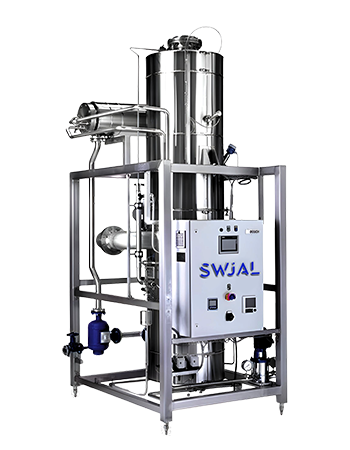
Pure Steam Generator Plants

 Pure Steam Generator (PSG) systems are essential for industries requiring high-purity steam for sterilization, including pharmaceuticals, biotechnology, food processing, and healthcare. These systems ensure compliance with cGMP, USP, and FDA standards, delivering contamination-free steam for critical applications.

The demand for pure steam generation has significantly increased as industries recognize the importance of contamination-free environments. Pure steam generators ensure that sterilization processes remain effective by eliminating the risk of microbial contamination. The systems are specifically designed to provide steam with no entrained moisture, endotoxins, or non-condensable gases, making them ideal for sensitive industrial applications. As regulations around steam sterilization continue to evolve, PSG technology is becoming a standard requirement rather than an optional investment.


Pure Steam Generator Plants

Working Principle of a Pure Steam Generator

A Pure Steam Generator operates by converting pre-treated feedwater into pure steam through a controlled heating and separation process. The steps include:

  1. Pre-treatment of Water – Demineralized or distilled water is used to prevent contaminants.

  2. Heating Process – The water is heated using electrically powered or boiler-supplied energy sources.

  3. Separation and Purification – The generated steam passes through separators and demisters, eliminating particulates, ensuring high-purity output.

Proper design and operation of a PSG system are crucial for maintaining consistent steam quality. Any deviation in water quality or temperature control can lead to inefficiencies in the steam production process. Advanced PSG systems incorporate automation and real-time monitoring to regulate steam purity, ensuring continuous compliance with international standards. The ability to produce pure steam on demand without fluctuations in quality makes these systems an essential investment for industries that require precise sterilization.

Applications of Pure Steam Generators

  • Pharmaceutical Industry: Sterilization of equipment, pipelines, and cleanroom environments.

  • Biotechnology: Used in fermentation processes and sterilization of bioreactors.

  • Healthcare: Surgical instrument sterilization and autoclaving.

  • Food Processing: Used in aseptic packaging and sterilization of food production lines.

Benefits of Using Pure Steam Generators

  • Microbial-free steam production prevents contamination.

  • Compliance with global standards (cGMP, USP, ASME BPE).

  • Reduced risk of endotoxins and particles, ensuring product safety.

  • Energy-efficient designs lower operational costs.

Pure steam generators offer a significant advantage over traditional boiler systems in terms of sterility assurance and operational efficiency. Since the steam produced is entirely free from non-condensable gases and particulate matter, it enhances product safety in pharmaceutical and biotech applications. Additionally, PSG systems reduce the risk of corrosion in steam distribution lines, ensuring longevity and reducing maintenance costs. As sustainability becomes a critical factor in industrial operations, many companies are investing in energy-efficient PSG systems to reduce their carbon footprint.


Thursday, February 20, 2025

Comparing Hot & Cold WFI Generation Systems: Which One is Right for You?

Water for Injection (WFI) is essential for pharmaceutical manufacturing, and selecting the right generation system is crucial for maintaining compliance and efficiency. The two primary methods of WFI generation—hot and cold systems—each have unique advantages and challenges. This article compares both options to help manufacturers determine the most suitable system for their needs.

Understanding Hot WFI Generation

Hot WFI generation utilizes distillation to produce ultra-pure water. Multi-effect distillation (MED) and vapor compression (VC) are common techniques used to generate WFI at high temperatures, typically above 80°C.

Hot and Cold Water for Injection Generation Plant

Advantages of Hot WFI Generation:

  • Superior Microbial Control: High temperatures prevent microbial contamination.

  • Regulatory Compliance: Meets global pharmacopeial standards, including USP and EP.

  • Sterile Storage & Distribution: Heated water reduces biofilm formation in distribution systems.

Challenges of Hot WFI Generation:

  • High Energy Consumption: Distillation processes require significant energy input.

  • Expensive Infrastructure: Requires insulated piping and specialized storage tanks.

  • Regular Maintenance: Scaling and fouling of heat exchangers must be managed.

Understanding Cold WFI Generation

Cold WFI systems use advanced membrane technologies such as reverse osmosis (RO), ultrafiltration (UF), and electrodeionization (EDI) to produce high-purity water at ambient temperatures.

Advantages of Cold WFI Generation:

  • Energy Efficiency: Lower operational costs compared to distillation-based systems.

  • Compact Design: Requires less infrastructure, making it ideal for smaller facilities.

  • Modern Compliance: European Pharmacopoeia (EP) now allows membrane-based WFI generation.

Challenges of Cold WFI Generation:

  • Microbial Growth Risk: Requires stringent sanitization protocols and UV treatment.

  • Complex Monitoring: Real-time microbial and chemical control systems are necessary.

  • Regulatory Variation: Not universally accepted, particularly in certain U.S. regulations.

Key Factors to Consider When Choosing a WFI System

Pharmaceutical manufacturers should evaluate the following factors when selecting a WFI generation system:

  1. Regulatory Requirements: Ensure compliance with USP, EP, and GMP guidelines.

  2. Operational Costs: Compare energy consumption, maintenance, and infrastructure expenses.

  3. Facility Size & Layout: Assess available space and system integration feasibility.

  4. Microbial Control Strategy: Choose a system that aligns with your risk management approach.

  5. Long-Term Sustainability: Consider environmental impact and future regulatory trends.

Conclusion: Making the Right Choice

Both hot and cold WFI generation systems have advantages depending on production needs. Hot WFI systems offer superior microbial control and compliance but have high energy costs. Cold WFI systems provide energy efficiency and modern compliance but require rigorous microbial monitoring. Choosing the right system involves balancing regulatory requirements, operational costs, and facility infrastructure to ensure long-term efficiency and compliance.


Thursday, December 26, 2024

Water for Injection Plant Manufacturer

 In industries such as pharmaceuticals, biotechnology, and healthcare, the demand for high-purity water is paramount. Water for Injection (WFI) is a critical component in the production of injectables, vaccines, and other sterile products. Manufacturing facilities rely on specialized systems to ensure the production of water that meets stringent purity standards set by pharmacopeias like the United States Pharmacopeia (USP) and the European Pharmacopoeia (EP). A Water for Injection plant serves this essential purpose, delivering consistently pure water while adhering to the highest quality benchmarks.

What is Water for Injection (WFI)?

Water for Injection is highly purified water with exceptionally low levels of microbial and endotoxin contaminants. It is primarily used in the preparation of injectable medications and as a solvent in the production of pharmaceutical solutions. WFI must be produced and stored under strict conditions to prevent contamination and ensure compliance with regulatory requirements.

The production of WFI involves advanced techniques such as distillation or reverse osmosis, coupled with ultrafiltration and continuous recirculation systems. These processes eliminate impurities, endotoxins, and microorganisms, resulting in water of the highest purity.

Key Components of a Water for Injection Plant

Pre-Treatment Systems

Pre-treatment involves the removal of large particles, chlorine, organic matter, and other impurities from feed water. Techniques such as softening, dechlorination, and multimedia filtration are employed to protect downstream equipment.

Distillation Units

Distillation is the most reliable method for producing WFI. Multi-effect distillation (MED) and vapor compression distillation (VCD) are commonly used. These systems ensure the removal of endotoxins, pyrogens, and dissolved solids.

Reverse Osmosis and Ultrafiltration

Some manufacturers utilize reverse osmosis (RO) in combination with ultrafiltration to achieve high levels of purity before final sterilization. These systems are energy-efficient and effective in removing impurities.

Storage and Distribution Systems

The produced WFI must be stored in hygienic conditions and circulated continuously to prevent microbial growth. Stainless steel tanks with orbital welding, along with a validated distribution system, ensure contamination-free storage and delivery.

Control and Automation

Modern WFI plants are equipped with advanced automation systems for monitoring and control. Features like PLC/SCADA ensure real-time tracking of parameters, regulatory compliance, and efficient operation.

The Importance of Choosing the Right Manufacturer

Selecting a reliable WFI plant manufacturer is crucial for pharmaceutical and healthcare companies. The system must be designed to meet specific industry standards, comply with global pharmacopeial requirements, and integrate seamlessly into existing operations.

Factors to consider when choosing a manufacturer include:

  • Expertise in High-Purity Water Systems: Manufacturers with experience in pharmaceutical water systems ensure superior quality and compliance.
  • Customization and Scalability: A reliable manufacturer designs systems tailored to your production capacity and future needs.
  • Regulatory Compliance: The plant must meet GMP, FDA, and ISO standards.
  • After-Sales Support: Comprehensive services, including validation, maintenance, and troubleshooting, are essential for long-term reliability.

Advantages of Advanced WFI Systems

Modern Water for Injection plants are engineered for efficiency, reliability, and cost-effectiveness. Some notable advantages include:

Enhanced Purity: Advanced filtration and distillation technologies ensure ultra-pure water with low endotoxin levels.

Energy Efficiency: Innovations like vapor compression distillation reduce energy consumption while maintaining performance.

Operational Flexibility: Modular designs allow easy upgrades and expansions, making the system adaptable to evolving needs.

Regulatory Compliance: Automated systems with robust documentation simplify audits and regulatory inspections.

Applications of Water for Injection

Pharmaceutical Manufacturing: Essential for injectable drugs, ophthalmic solutions, and intravenous fluids.

Biotechnology: Used in the preparation of cell cultures and biopharmaceuticals.

Healthcare: Integral to sterilization processes and cleaning of medical devices.

Why Swjal Process Pvt. Ltd. for WFI Systems?

Swjal Process Pvt. Ltd. is a trusted name in the water treatment industry, delivering state-of-the-art Water for Injection plant designed to meet the exacting standards of the pharmaceutical sector. With over 15 years of expertise, the company specializes in providing tailored solutions that prioritize quality, efficiency, and compliance.


Key features of Swjal’s WFI systems include:

  • Advanced distillation and reverse osmosis technologies.
  • Customized designs to fit specific client requirements.
  • Automation systems for seamless operation and monitoring.
  • Comprehensive support, from installation to validation and maintenance.

Conclusion

It is a critical process that demands precision, expertise, and adherence to stringent standards. A robust WFI plant ensures the consistent supply of ultra-pure water, supporting the production of high-quality pharmaceuticals and healthcare products. By choosing a reliable manufacturer like Swjal Process Pvt. Ltd., businesses can achieve operational excellence and maintain compliance with global regulations.

Swjal Process Pvt. Ltd. is a leading Water for Injection plant manufacturer in India, delivering innovative and reliable solutions for industries that demand nothing but the best.

What is Water for Injection (WFI)?

In industries such as pharmaceuticals, biotechnology, and healthcare, the demand for high-purity water is paramount. Water for Injection (WFI) is a critical component in the production of injectables, vaccines, and other sterile products. Manufacturing facilities rely on specialized systems to ensure the production of water that meets stringent purity standards set by pharmacopeias like the United States Pharmacopeia (USP) and the European Pharmacopoeia (EP). A Water for Injection plant serves this essential purpose, delivering consistently pure water while adhering to the highest quality benchmarks.

What is Water for Injection (WFI)?

Water for Injection is highly purified water with exceptionally low levels of microbial and endotoxin contaminants. It is primarily used in the preparation of injectable medications and as a solvent in the production of pharmaceutical solutions. WFI must be produced and stored under strict conditions to prevent contamination and ensure compliance with regulatory requirements.

The production of WFI involves advanced techniques such as distillation or reverse osmosis, coupled with ultrafiltration and continuous recirculation systems. These processes eliminate impurities, endotoxins, and microorganisms, resulting in water of the highest purity.

Key Components of a Water for Injection Plant
  1. Pre-Treatment Systems
    Pre-treatment involves the removal of large particles, chlorine, organic matter, and other impurities from feed water. Techniques such as softening, dechlorination, and multimedia filtration are employed to protect downstream equipment.

  2. Distillation Units
    Distillation is the most reliable method for producing WFI. Multi-effect distillation (MED) and vapor compression distillation (VCD) are commonly used. These systems ensure the removal of endotoxins, pyrogens, and dissolved solids.

  3. Reverse Osmosis and Ultrafiltration
    Some manufacturers utilize reverse osmosis (RO) in combination with ultrafiltration to achieve high levels of purity before final sterilization. These systems are energy-efficient and effective in removing impurities.

  4. Storage and Distribution Systems
    The produced WFI must be stored in hygienic conditions and circulated continuously to prevent microbial growth. Stainless steel tanks with orbital welding, along with a validated distribution system, ensure contamination-free storage and delivery.

  5. Control and Automation
    Modern WFI plants are equipped with advanced automation systems for monitoring and control. Features like PLC/SCADA ensure real-time tracking of parameters, regulatory compliance, and efficient operation.

The Importance of Choosing the Right Manufacturer

Selecting a reliable Water for Injection plant manufacturer is crucial for pharmaceutical and healthcare companies. The system must be designed to meet specific industry standards, comply with global pharmacopeial requirements, and integrate seamlessly into existing operations.

Factors to consider when choosing a manufacturer include:

  • Expertise in High-Purity Water Systems: Manufacturers with experience in pharmaceutical water systems ensure superior quality and compliance.
  • Customization and Scalability: A reliable manufacturer designs systems tailored to your production capacity and future needs.
  • Regulatory Compliance: The plant must meet GMP, FDA, and ISO standards.
  • After-Sales Support: Comprehensive services, including validation, maintenance, and troubleshooting, are essential for long-term reliability.

Advantages of Advanced WFI Systems

Modern Water for Injection plants are engineered for efficiency, reliability, and cost-effectiveness. Some notable advantages include:

  • Enhanced Purity: Advanced filtration and distillation technologies ensure ultra-pure water with low endotoxin levels.
  • Energy Efficiency: Innovations like vapor compression distillation reduce energy consumption while maintaining performance.
  • Operational Flexibility: Modular designs allow easy upgrades and expansions, making the system adaptable to evolving needs.
  • Regulatory Compliance: Automated systems with robust documentation simplify audits and regulatory inspections.

Applications of Water for Injection

  • Pharmaceutical Manufacturing: Essential for injectable drugs, ophthalmic solutions, and intravenous fluids.
  • Biotechnology: Used in the preparation of cell cultures and biopharmaceuticals.
  • Healthcare: Integral to sterilization processes and cleaning of medical devices.

Why Swjal Process Pvt. Ltd. for WFI Systems?

Swjal Process Pvt. Ltd. is a trusted name in the water treatment industry, delivering state-of-the-art Water for Injection plants designed to meet the exacting standards of the pharmaceutical sector. With over 15 years of expertise, the company specializes in providing tailored solutions that prioritize quality, efficiency, and compliance.

Key features of Swjal’s WFI systems include:

  • Advanced distillation and reverse osmosis technologies.
  • Customized designs to fit specific client requirements.
  • Automation systems for seamless operation and monitoring.
  • Comprehensive support, from installation to validation and maintenance.

Conclusion

The production of Water for Injection is a critical process that demands precision, expertise, and adherence to stringent standards. A robust WFI plant ensures the consistent supply of ultra-pure water, supporting the production of high-quality pharmaceuticals and healthcare products. By choosing a reliable manufacturer like Swjal Process Pvt. Ltd., businesses can achieve operational excellence and maintain compliance with global regulations.

Swjal Process Pvt. Ltd. is a leading Water for Injection plant manufacturer in India, delivering innovative and reliable solutions for industries that demand nothing but the best.
Thursday, December 12, 2024

Comprehensive Guide to Water for Injection (WFI) Systems: Manufacturing, Sterility, Quality Control, and Best Practices

 Water for Injection (WFI) is one of the most critical components in the pharmaceutical industry, especially in the manufacturing of injectable drugs, vaccines, and other medical products. Its purity, sterility, and quality are paramount, as any contamination can lead to severe health consequences for patients. This article will explore the key aspects of Water for Injection (WFI) systems, including their manufacturing process, regulatory requirements, the role of purification technologies, best practices for maintaining sterility and quality, and emerging trends in the WFI industry.

What is Water for Injection (WFI)?

Water for Injection is water that is specifically purified to meet stringent quality standards set by health authorities like the United States Pharmacopeia (USP) and European Pharmacopeia (EP). WFI is used as a solvent in the preparation of pharmaceutical formulations, as a component in the manufacturing of injectable drugs, and in various sterile pharmaceutical processes.

The primary characteristics of WFI include:

  • High Purity: WFI must be free from bacteria, endotoxins, and other contaminants.
  • Sterility: It must be sterile, meaning it is free from viable microorganisms.
  • Low Conductivity: The water must have a low ionic content, ensuring it does not introduce impurities into pharmaceutical formulations.

WFI Production Methods: Technologies and Processes

The production of Water for Injection involves several key processes to ensure the water meets the required standards of purity and sterility. The most commonly used methods for WFI production include:

  1. Reverse Osmosis (RO) Systems: Reverse Osmosis is the initial stage in most WFI production systems. It uses a semi-permeable membrane to remove ions, organic compounds, bacteria, and other contaminants. RO effectively reduces the conductivity of water, ensuring that the water is nearly free from impurities.

  2. Electrodeionization (EDI): EDI technology is used as a secondary treatment after reverse osmosis. It is a continuous process that removes ions from water without the need for chemical regeneration. EDI is especially useful for maintaining high purity levels in water, ensuring it meets the stringent standards required for WFI.

  3. Distillation: Distillation is another common method for producing WFI, particularly in large-scale applications. In this process, water is heated to produce steam, which is then condensed back into water, leaving contaminants behind. This method ensures that the water is free from endotoxins and microbial contamination.

  4. Ultraviolet (UV) Sterilization: UV sterilization is used as the final step in many WFI systems to ensure complete elimination of microorganisms. UV light has the ability to destroy bacteria, viruses, and other pathogens by disrupting their DNA. It is often used in combination with other purification methods to achieve a higher level of water purity.

  5. Filtration: Filtration systems, including pre-filters and final filters, are used in WFI production to remove particulate matter and microbial contaminants. Filters can be either mechanical or membrane-based, depending on the specific requirements of the production process.

Key Practices for Maintaining WFI Sterility and Quality

  1. Clean-in-Place (CIP) Systems: The WFI distribution system, which delivers water to various points of use within a pharmaceutical facility, must be kept sterile. Clean-in-Place (CIP) systems allow for cleaning and sterilization of equipment and pipes without disassembly. CIP systems are essential for preventing microbial growth and ensuring continuous production of high-quality WFI.

  2. Regular Microbial Testing: Microbial testing is crucial for ensuring that WFI systems remain free from harmful microorganisms. Methods such as membrane filtration and endotoxin testing (using the Limulus Amebocyte Lysate or LAL test) are employed to detect any microbial contamination. These tests must be performed at regular intervals to ensure the quality of WFI.

  3. Sanitization of the Distribution System: The distribution loop, which delivers WFI from the storage tank to various points of use, must be regularly sanitized. This can be done using chemical disinfectants, heat treatments, or UV light. Regular monitoring and maintenance are crucial for ensuring the distribution system remains free from contamination.

  4. Storage Conditions: WFI should be stored in sterile tanks to prevent contamination. Tanks should be designed to prevent water stagnation, which can lead to microbial growth. Additionally, the water must be stored at controlled temperatures, typically below 20°C, to maintain its sterility.

  5. Automation and Real-Time Monitoring: Automation plays a key role in maintaining WFI quality. Automated systems are used to monitor critical parameters such as temperature, conductivity, and microbial levels in real time. This allows for immediate corrective action if any parameter falls outside the acceptable range.

  6. Redundancy in Critical Components: Redundancy in critical system components, such as pumps, filtration units, and sterilization equipment, ensures that the WFI system remains operational even if a component fails. This minimizes the risk of production downtime and ensures continuous availability of high-quality WFI.

Challenges in Maintaining WFI Quality

  1. Contamination Risks: Any breach in the WFI system, such as leaks or improper sealing of storage tanks, can introduce contaminants. Vigilant inspection and maintenance are required to prevent such occurrences.

  2. Energy and Cost Considerations: High-quality WFI production systems, particularly distillation units, are energy-intensive. Maintaining cost efficiency while ensuring WFI quality is a challenge for manufacturers.

  3. Regulatory Compliance: Keeping up with evolving regulatory requirements for WFI production and quality control can be complex. Manufacturers must ensure full compliance with global standards to avoid product recalls or regulatory fines.

The Role of WFI in Pharmaceutical Manufacturing

Water for Injection is essential in the pharmaceutical industry, where it is used as a solvent in the preparation of injectable medicines, as well as for the formulation of vaccines and other medical devices. WFI systems must meet strict standards to ensure that drugs are manufactured under conditions that ensure their safety and efficacy. Any failure to meet these standards can lead to contamination of pharmaceutical products, jeopardizing patient safety and regulatory compliance.

WFI plays a crucial role in the production of:

  • Injectable Medications: These require water that is free from bacteria and endotoxins to ensure safety and effectiveness.
  • Vaccines: The production of vaccines relies on high-quality water to ensure that the final product is free from contaminants.
  • Biopharmaceuticals: As biopharmaceuticals become increasingly complex, the need for ultra-pure WFI becomes even more critical.

Emerging Trends in WFI Systems

The future of WFI systems is being shaped by advancements in technology and new industry requirements. Some of the emerging trends include:

  • Integration of IoT: The integration of the Internet of Things (IoT) in WFI systems allows for better monitoring, predictive maintenance, and data analytics, improving system efficiency and reducing the risk of contamination.
  • Sustainability: There is an increasing focus on reducing the energy consumption and environmental impact of WFI systems. New energy-efficient distillation systems and the adoption of renewable energy sources are helping to reduce operational costs and improve sustainability.
  • Enhanced Automation: More WFI systems are incorporating advanced automation, which reduces the risk of human error and ensures that water quality is consistently maintained.

Conclusion

Maintaining the highest standards of sterility and quality in Water for Injection (WFI) systems is essential for ensuring the safety and efficacy of pharmaceutical products. The use of advanced technologies such as Reverse Osmosis, Electrodeionization, and Distillation, along with best practices like regular microbial testing, sanitization, and automation, ensures that WFI meets the rigorous standards required by health authorities. While there are challenges in maintaining WFI quality, the emerging trends in technology, automation, and sustainability are helping to overcome these obstacles.

Swjal Process is a leading pharmaceutical-grade water generation and distribution plant manufacturer in India.

Pharma Water System Validation: Critical Parameters, Process & Compliance

In pharmaceutical and biotech laboratories, producing high-purity water is not enough—it must also be proven, documented, and consistently c...